

Understanding Stretch vs. Non-Stretch Fabrics in Plus-Size Clothing
Understanding Stretch vs. Non-Stretch Fabrics in Plus-Size Clothing
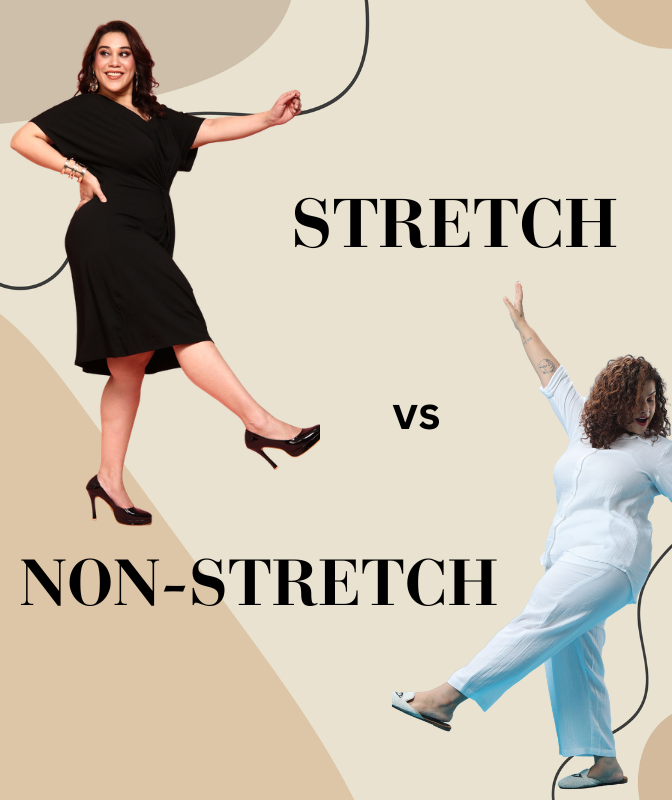
Fabric plays a much bigger role in clothing than most people realize. The way a garment fits, feels, moves, and flatters the body often depends more on the fabric than the design itself. One of the most important distinctions in fashion is the difference between stretch and non-stretch garments. While they may look similar on the hanger, they offer completely different experiences when worn.
Some outfits feel soft, flexible, and easy to move in, while others feel structured, polished, and tailored. Neither is better than the other — they simply serve different purposes. Understanding the difference between stretch and non-stretch fabrics can help you shop smarter, dress more comfortably, and choose styles that truly work for your lifestyle and body type.
Understanding Stretch for Plus-Size Fashion
When it comes to plus size fashion, comfort, style and fit play a huge role. One of the most important factors that influence all these is stretch. Stretch garments have become an integral part of modern wardrobes because of their flexibility and body-friendly fit. Understanding stretch for a plus size body might help you choose better garments and boost your confidence.
Stretch garments are made using fabrics that contain elastic fibers such as spandex, elastane, or Lycra. These fibers allow the fabric to expand and return to its original shape after being worn. Unlike rigid fabrics, stretch materials move with the body instead of restricting it. There are many different plus-size body shapes, and one of the biggest advantages of stretch garments is that they adapt easily to different body types and sizes. Another important advantage of stretch garments is the confidence they provide. They allow the garment to hug your curves beautifully and flatter your body shape without making you feel uncomfortable or restricted. This practical comfort directly impacts how confidently someone carries an outfit.
However, not all stretch garments are the same. Fabrics with less stretch usually offer little to no flexibility, which can make the garment feel restrictive. Excessively tight stretch clothing can sometimes highlight discomfort rather than improve fit. Poor-quality fabrics may lose elasticity over time, leading to sagging or misshaping.
Understanding Non-Stretch For Plus-Size Fashion
Non-stretch fabric has always been an important part of plus size fashion. While stretch garments are known for comfort and flexibility, non-stretch fabrics bring structure, elegance, durability, and a polished appearance to outfits. Understanding how non-stretch fabrics work in plus-size fashion helps in choosing garments that not only look stylish but also fit and feel right.
Commonly, non-stretch fabrics include cotton poplin, linen, rayon, viscose, georgette, chiffon, satin, and woven polyester fabrics that have little to no elasticity. These fabrics are known for their structure, drape, and polished appearance, making them popular choices for dresses, shirts, co-ords, and formal wear. Most people assume that plus-size garments are always made from stretchy fabrics. However, non-stretch garments offer several benefits as well. They help garments maintain their silhouette throughout the day. Woven fabrics such as cotton, rayon and viscose can feel lightweight and breathable, especially during warmer months. Non stretch garments tend to have improved durability and often retain their appearance longer since they are less prone to losing elasticity. Fit is especially important when purchasing non-stretch garments. Since these fabrics do not have the ability to stretch and adapt to your body, it’s essential to pay close attention to the garment measurements rather than relying solely on your usual size.
While non-stretch garments offer structure and a polished look, they also come with a few limitations. They do not move or expand with your body making some movements feel restricted. They cannot adapt to different body shapes like stretched garments, hence choosing the correct size becomes more crucial. Details like smocking, adjustable ties are often needed to improve comfort and ease of movement.
Choosing the Right Fabric for Different Occasions
The choice between stretch and non-stretch garments often depends on the occasion and personal preference. Stretch garments are ideal for daily wear, travel, casual outings, long work hours, and situations where movement and flexibility matter most. Their comfort-focused nature makes them easy to wear throughout the day.
Non-stretch garments, however, are often preferred for occasions where structure and presentation are important. Formal events, office wear, festive dressing, and statement outfits frequently use non-stretch fabrics because they create a more polished and elevated appearance.
Many wardrobes benefit from having a healthy balance of both. Stretch garments bring comfort and practicality, while non-stretch garments add sophistication and variety to personal style.
FAQs
How can I tell if a garment is stretch or non-stretch?
Check the product description and fabric composition.
Should I size up in non-stretch garments?
Not always. Instead of automatically sizing up, compare your body measurements with the brand's size chart.
Are non-stretch garments comfortable for plus-size bodies?
Yes. When designed with the right fit, ease, and thoughtful details such as elasticated waists, smocking, or relaxed silhouettes, non-stretch garments can be very comfortable to wear.
Do non-stretch garments make you look larger?
No. Well-tailored non-stretch garments can be highly flattering.